
Practice Updates
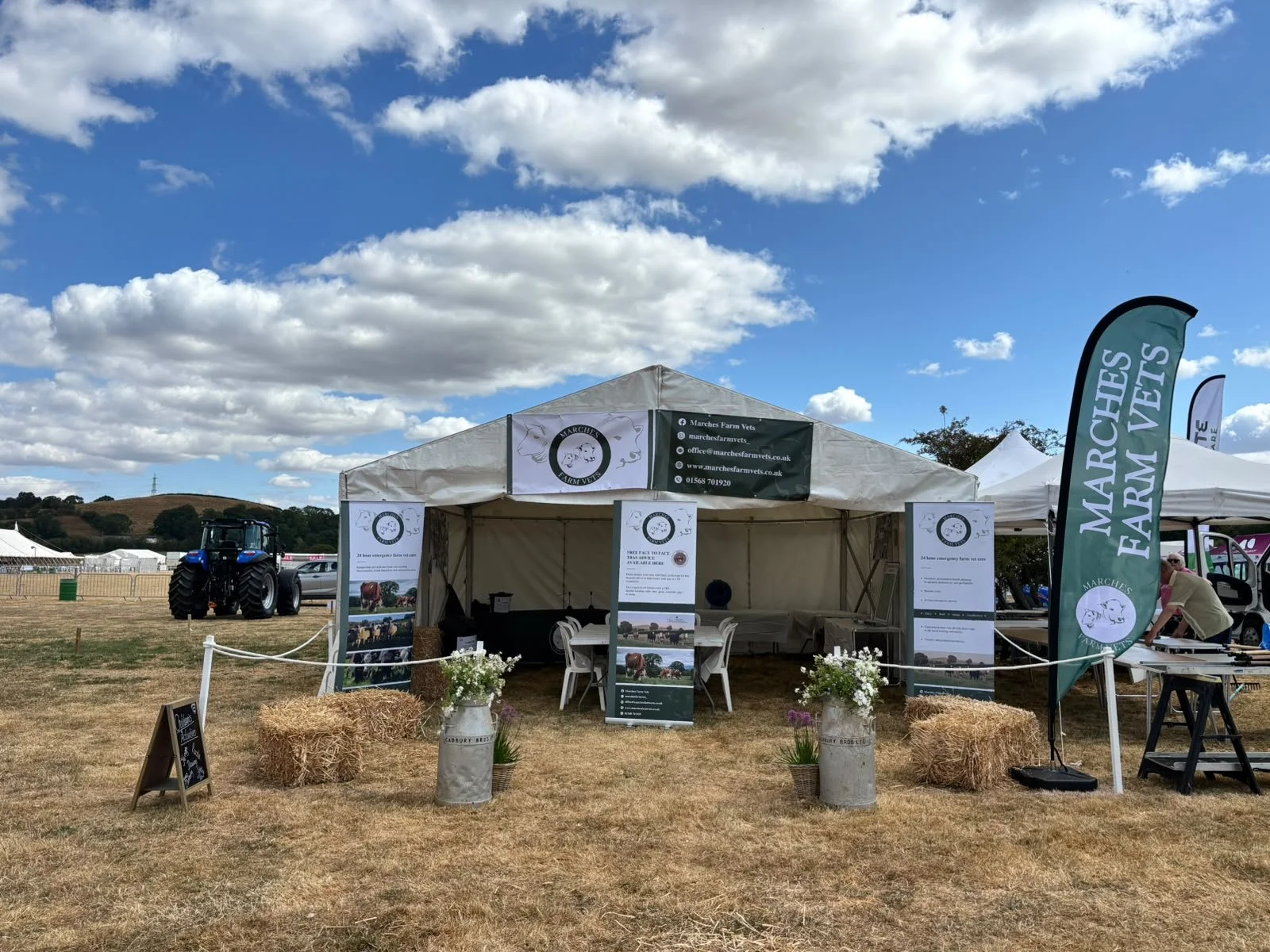
We have had an exciting last few months, starting with another excellent day at Tenbury show. There was a fantastic turnout to the show and it was lovely to see you all, both familiar and new faces.
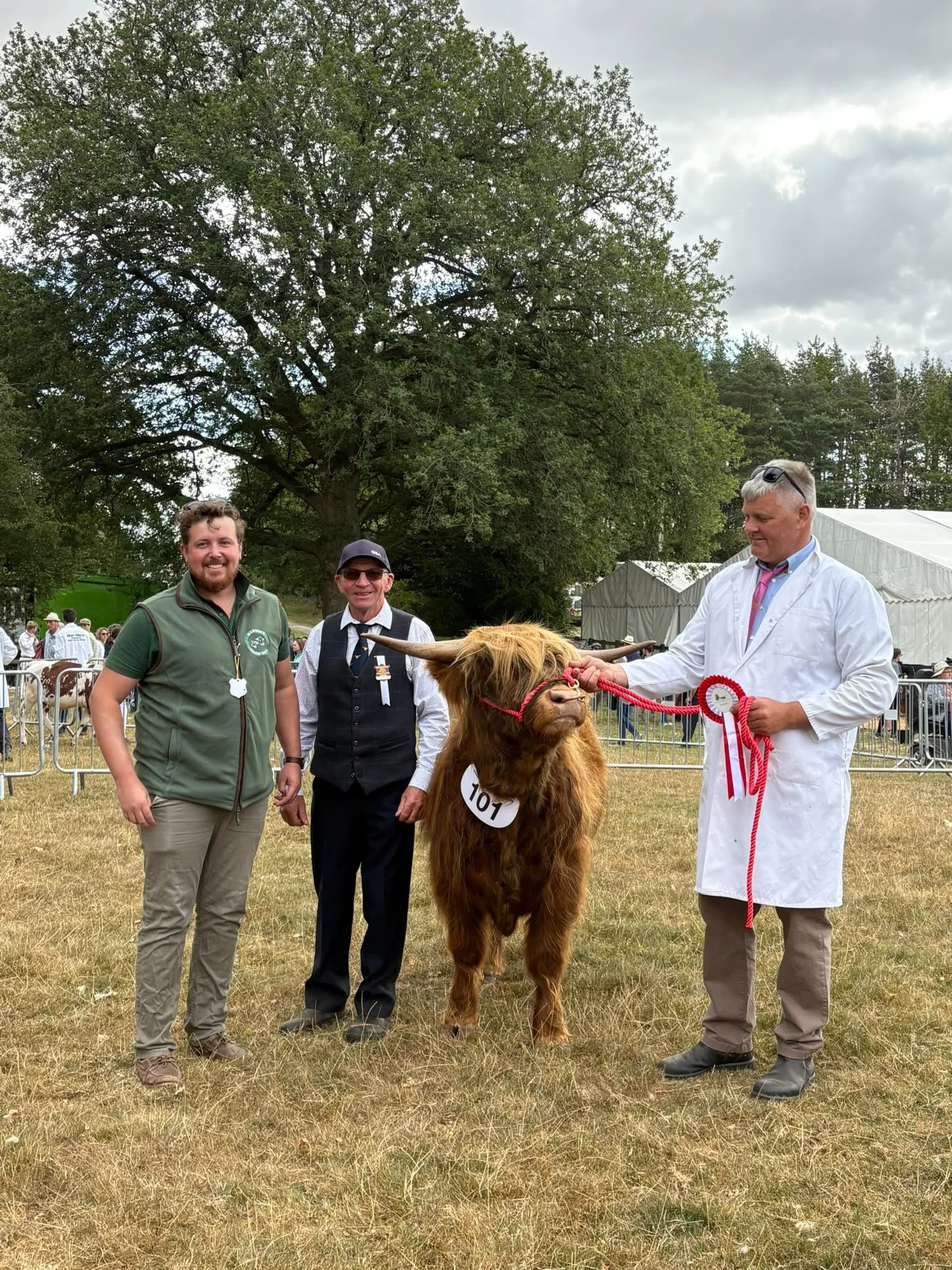
We have had an exciting last few months, starting with another excellent day at Burwarton show. There was a fantastic turnout to the show and it was lovely to see you all, both familiar and new faces.
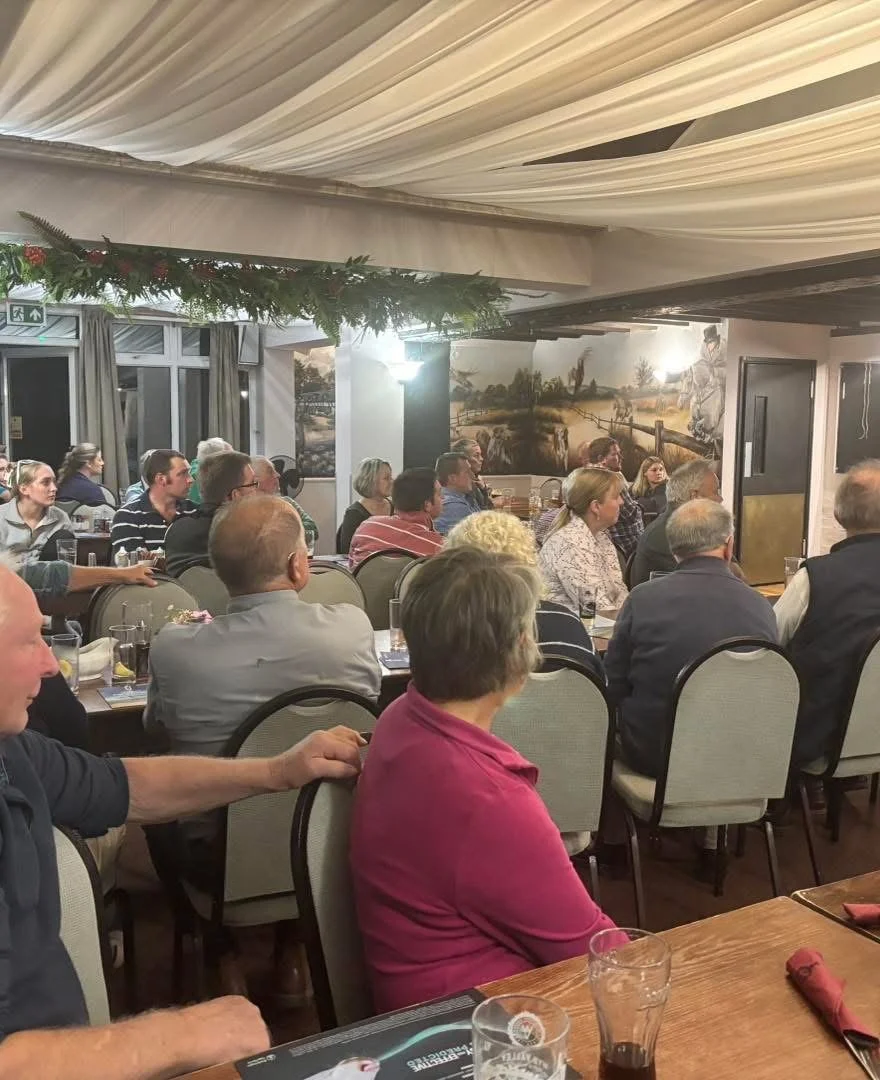
In September we hosted a cattle meeting at Fountain in Tenbury. The focus of the meeting was weaning of suckler calves, housing and making the most of pneumonia vaccination. We have had great feedback from clients, particularly on how delicious the pies were! Please keep an eye out for future meetings.
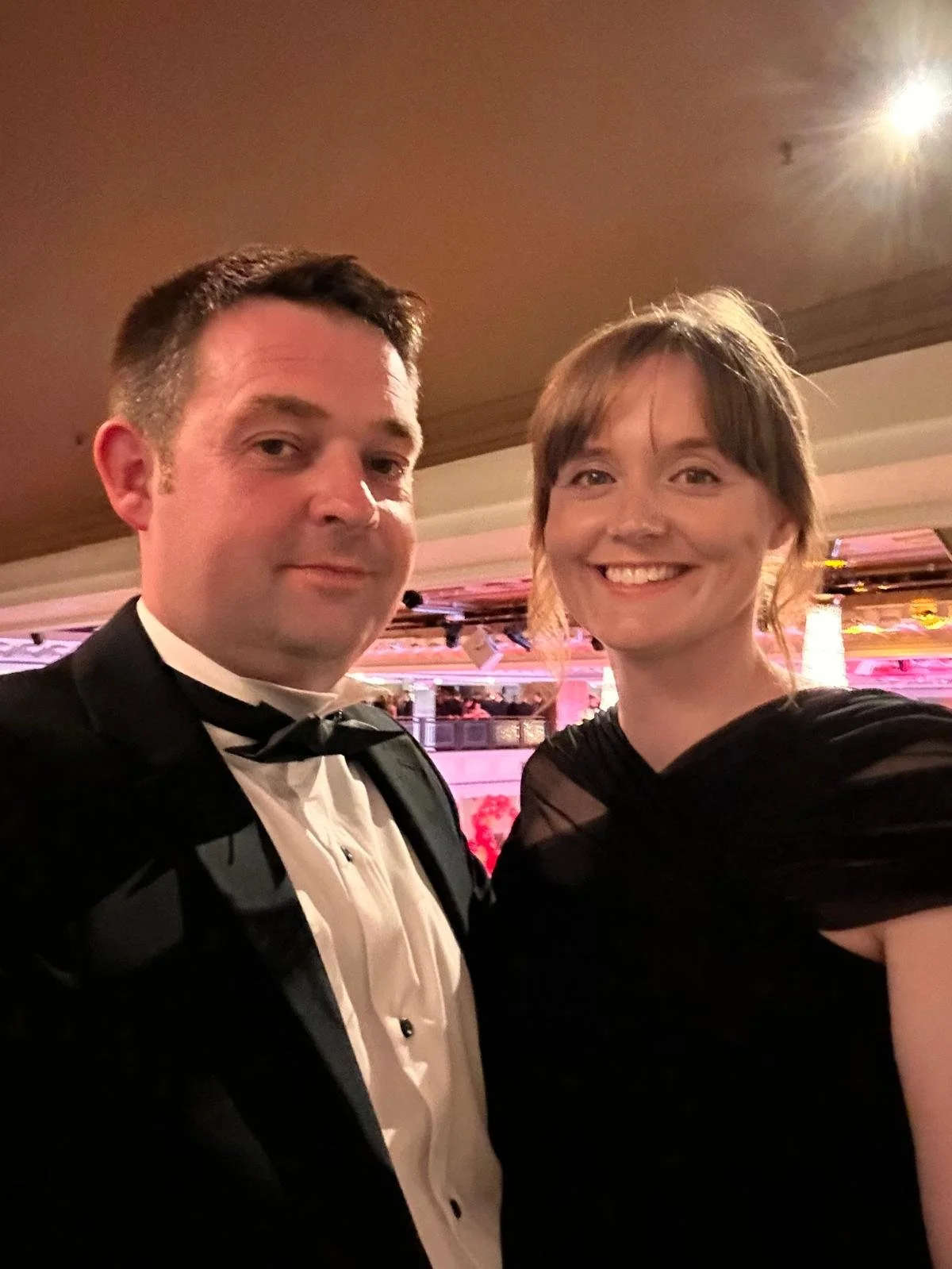
Emily attended the Farmers Weekly awards in October with her husband Neil, who was a finalist for Sheep Farmer of the Year. It was a very glitzy evening and great to see the best of British farming.
Bella has started a course to become a calf expert advisor, learning about nutrition, disease risks and data recording. We look forward to implementing the knowledge she gains into the practice.
Mel will be leaving us for a short while at the end of October to head over to New Zealand for some travelling. We wish her the best of luck for her trip and look forward to hearing about her experiences and adventures when she returns to work in January.
Emily is expecting her second baby at the end of January and so will be heading off on maternity at Christmas. We will keep you updated of her news and will see her return in late 2027.
Bluetongue Update
Since August, we have being seeing cases of confirmed Bluetongue in this area, surrounding Leominster and Ludlow.
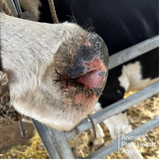
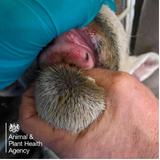
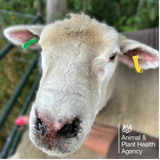
Cases have mainly been seen in sheep with clinical sign including mild pneumonia, muzzle swelling, crusting of the nose, erosions in the mouth, lameness and high temperatures. Mortalitly of sheep has been reported.
As we head into tupping, we are concerned that the biggest impact is yet to be seen. Bluetongue infection causes fertility issues in cattle and sheep. Male infertility has been seen in significant numbers across the country. We recHigh barren rates, aborions and birth of ‘dummy’ lambs and calves is also reported.
Please contact the office to discuss any herd or flock fertiility concerns you have with one of our vets.
We are pleased to report we have been able to sufficiently supply our clients with bluetongue vaccines and that the uptake has been high, which will hopefully work to reduce the impact of the disease in the area.
We have vaccine stock available and will recommend that breeding stock are provided with a booster dose in the spring. This will ensure full protection is in place before the high risk season begins in July.
Animal Health and Welfare Pathway
If you have not already, please apply now to use the animal health and welfare pathway annual vet visit.
You need a minimum of 11 cattle or 24 sheep on the holding and can apply for the funding within minutes using your RPA log in details.
The funding goes towards an annual vet visit, during which we perform a youngstock BVD check test for cattle and faecal drench check for lambs.
Funding for follow up visits can be used for PI hunts in cattle herds or focus on endemic disease or flock performance in sheep flocks.
The funding is only available until June 2027. You can claim again for an annual visit if at least 10 months have passed from the previous one.
BVD control is likely to be made mandatory in England, so make use of the available funding now to know your herd status.
Cattle Worming at Housing
Cattle on their first and second grazing season (this years and last years calves) will require worming after housing.
The timing of worming depends on the product used, but usually a few weeks ater they are housed.
We recommend a clear (group 3), injectable product should be used at this time of year to remove any worms that will hibernate in the gut wall and ensure the cattle are dosed correctly.
We have seen cases where a pour-on has been ineffective.
Adult cattle do not require routine worming. An exception may be first calvers, depending on their age at calving, but please discuss this with one of our vets.
Liver fluke treatment at housing is not required in cattle, as they do not suffer from acute fluke signs. Instead, perform a faecal egg count in late December/early January to check if fluke is present.
We can test for liver fluke in house, with results the same day if the sample is dropped off before noon.
Prepare for a Successful Lambing
Management of the ewes during pregnancy will affect the success of your lambing period. Initially, ensure stress is kept to a minimum during tupping and for the 3-4 weeks following the tup removal, as early pregnancy is very fragile. During this time, avoid handling, transport and sudden dietary changes.
Mid pregnancy is the ideal time to scan your ewes to determine litter size, allowing for correct nutritional management. Lowland flocks should aim for greater than 160%, but if your scanning is above this but less than normal for your flock, it is still worthwhile discussing with our vets. No more than 2% of the flock should be barren, higher than this could indicate infectious abortion.
Mid-pregnancy can be a good time to assess your ewe’s trace element status to determine if supplementation would be beneficial for lamb survival, particularly considering iodine and selenium status. If you plan to graze forage crops, this increases iodine demands. Footrot vaccination can be used mid-pregnancy to help
reduce infectious lameness spread at lambing time. You must plan to ensure it is administered at least 4 weeks before lambing, and at least two weeks separated from a Heptavac booster.
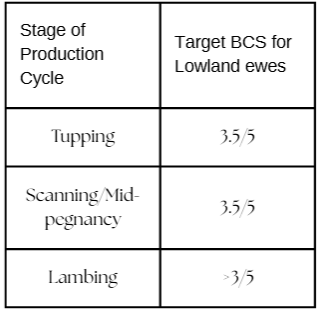
Ewe body condition score (BCS) is crucial for flock performance. The condition of ewes should be maintained (or gained for thinner ewes) between tupping and scanning to avoid detrimental effects on litter size and lamb growth rates. In the last 6 weeks of pregnancy, it is important to meet the ewe’s energy and protein requirements which determine lamb birthweight and survival. Underfeeding in this period will affect the ewe’s mothering ability and increases the risk
of milk fever and twin lamb disease, therefore if a ewe is overfat, it is important to still feed her demands and not rely upon her condition. We can assist with formulating your rations for your ewes. We just need your forage analysis and ticket from your cake bag. 3-4 weeks before lambing we can blood sample your ewes to check their energy and protein requirements are being met, allowing time for ration adjustments or planning for next year. This is a good time to faecal sample the ewes to check their worm burden and see if a liver fluke infection is present, both of which may affect colostrum quality.
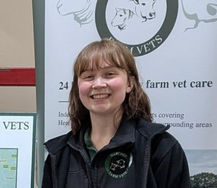
Ask the vet, : Bella
Help, I’ve got a pneumonia outbreak!
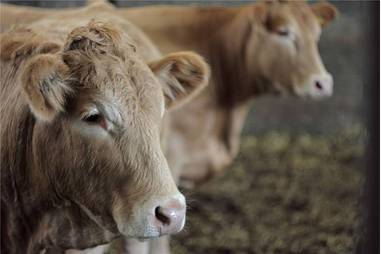
What can I treat the sick animals with?
The key treatment for any case of pneumonia would be an anti-inflammatory such as meloxicam (Metacam),
antimicrobials depending on the stage of infection and supportive care. Many pneumonia cases start out as a primary
viral infection and secondary bacteria invade at a later stage. Where possible pneumonia cases should be isolated to
prevent further spread.
How can you diagnose the cause?
There are two main ways to investigate a cause of pneumonia in live animals, either nasopharyngeal swabs of early
stage infections or through diagnostic serology where we look for antibodies in the blood against the common
pneumonia pathogens. It is case specific on which we choose to use, we may use either or a combination of both. In
the case the BVD status is unknown investigations into this may also be done.
What will a vet do on a visit?
1. Aim to try and help prevent it happening again
Discuss why this may be happening in the first place, for example talking about sourcing policies or recent
stressors
Looking at the housing the effected group are in and trying to establish if the environmental factors are
contributing to the pneumonia issue
2. Assess sick and advise treatment, diagnostics, make a plan
Examine the effected animals
Make a plan for diagnostics to determine the causative agents
Discuss prevention of further spread
3. Assess vaccination protocols.
If a vaccination protocol is already in place review this, if not then establish a cause to recommend the best
vaccination protocol going forwards
Pneumonia is a complex multifactorial disease and there can often be multiple contributing factors to the cause. If you notice any cases of pneumonia in your cattle please get in contact to discuss with one of our vets.