
October 2025
Worming
As the rain starts to increase over autumn, we encourage you to remain vigilant for signs of worms in your stock. Wet weather conditions create an ideal environment for parasitic larvae on pasture, which increases the risk of worm infestations.
Signs of Worm Infestation:
It’s essential for livestock managers to recognize the signs of worm infestations so that appropriate treatment can be applied. These include:
Weight loss or poor condition
Scouring or diarrhoea
Anaemia and pale mucous membranes (Haemonchus)
Please note that these signs are of late worm infestation, once they are seen the damage to the guts has already been done, so it can take lambs a long time to recover from this.
Diagnosis
You can diagnose high worm burden in your stock by bringing in a faecal egg count. You can use egg counts to diagnose an issue before clinical signs of worm burden are present. Dung samples should be fresh when collected (less than one hour old) and kept cool (not frozen) in an airtight container or plastic bag, before examination or delivery to the practice within 48 hours. If the faeces are too old, some eggs will have hatched, and the reported egg count will be an underestimate.
FEC collection method 1:
Each test must be based on at least 10 individual samples.
Samples must be taken at random. Do not try to pick and choose.
Samples must be of fresh dung.
FEC collection method 2:
Mob samples can be taken either by gathering sheep in the corner of a field for a few minutes, then picking up samples when they move.
OR, carry pots/bags when out sheep herding and take a sample as lambs get up.
AHWP funding
The time of year to reapply for Animal Health & Welfare Pathway to tie in with spring calving is coming up. To receive up to £1359 towards beef cattle health; comprised of £522 for phase one (health planning and BVD testing) and either £837 for phase two (endemic disease follow-up with a PI hunt) or £215 (endemic disease follow-up without a PI present).
You can apply for this here: https://apply-for-an-annual-health-and-welfare-review.defra.gov.uk/apply/endemics/start
Cattle vaccines
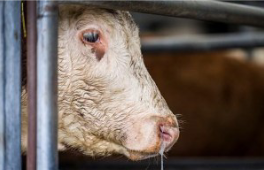
With the start of Autumn again it’s important to consider the benefits of vaccination against pneumonia during this higher risk season. This time of year coincides with management stressors that increase the likelihood of calves developing respiratory diseases, such as:
Housing
Weaning
Mixing groups
Diet changes
Castration and dehorning
To minimise the impact of these management events they should be spread out by at least 2 weeks between each, and calves should be vaccinated if possible whilst still out on grass before they are housed.
It is best for primary vaccination courses to be completed before stressful event like housing or weaning. If it is not possible to vaccinate the calves outside before coming in for winter, we often advise a ‘Live’ vaccine, which provides a much quicker immune response. Even still this vaccine works best when given at least a week before housing.
Pneumonia causes classic clinical signs as we are all aware, but the biggest losses are often ones we don’t see so plainly such as weight loss or reduction in daily live weight gain, increased labour and treatment costs and increased mortality rates.
We are happy to arrange a visit for this discussion to come up with the best vaccination plan for you.